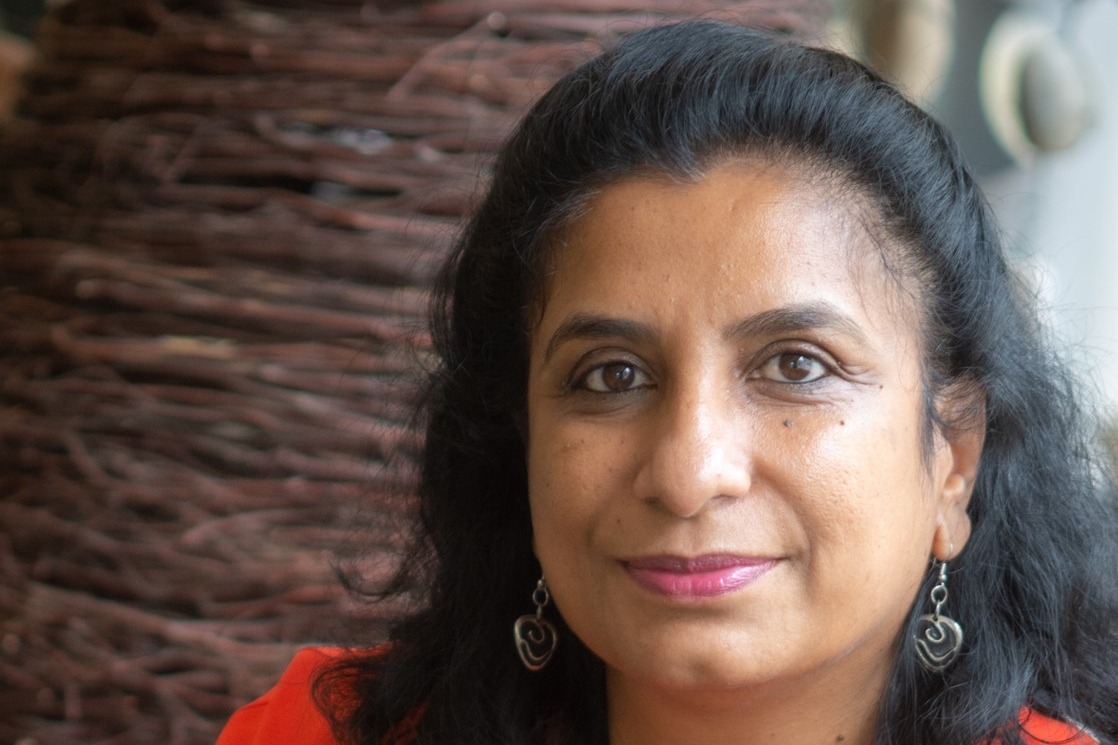
Leading South African Sport Mega-Event Legacy Scholar Professor Urmilla Bob Joins African Collaborations Group (ACG) Research & Impact Advisory Panel to Strengthen the Evidence Base for Sport and Entertainment Districts Across Africa

African Collaborations Group (ACG) (www.ACGafrica.com), the leading strategic project origination and collaboration platform focused on the industrialisation of sport in Africa through the origination of bankable sport and entertainment district ecosystems, today announced the appointment of Professor Urmilla Bob to its Research & Impact Advisory Panel. 

Professor Bob is Professor of Geography and Environmental Sciences at the University of KwaZulu-Natal (UKZN) in South Africa, one of the continent’s most respected research-intensive universities. She is one of Africa’s foremost authorities on the legacy of sport mega-events and sport infrastructure investments in developing nations. 

Over a career spanning more than 15 years in sport-related research, Professor Bob has produced a body of work that is directly relevant to the challenge ACG was created to address. Her research systematically examines what happens after the event is over: whether the economic projections materialise, whether the infrastructure delivers lasting value, whether communities benefit, and whether the social legacies promised by host governments are realised. Her findings have consistently demonstrated that sport infrastructure investments in developing countries frequently fall short of their projected returns, with benefits unevenly distributed and legacy planning often inadequate. 

This body of evidence is foundational to ACG’s entire model. The Victory District™ concept was conceived precisely because the approach Professor Bob has documented, standalone stadiums built for a single event with insufficient legacy planning, has repeatedly failed to deliver lasting value. ACG’s integrated district model is designed to address the structural shortcomings her research has identified: by embedding sport venues within a financially self-sustaining, mixed-use ecosystem that generates revenue, employment, and community value 365 days a year. 

Professor Bob’s research on the 2010 FIFA World Cup in South Africa is among the most cited work globally on sport mega-event legacy in the developing world. Her publications, including “Sport Mega-Events and Their Legacies: The 2010 FIFA World Cup” (co-authored with Scarlett Cornelissen and Kamilla Swart), “Sport Events and Social Legacies,” and her work developing indicator frameworks for assessing legacy impacts, have shaped how scholars, policymakers, and international institutions understand the long-term consequences of sport infrastructure investment in Africa. 

Beyond mega-event legacy, Professor Bob has co-authored vital frameworks and studies on the development of national sport tourism strategies in South Africa, analysing how leisure patterns, economic activity, and media coverage shift before, during, and after major events. This sport tourism expertise is directly relevant to the hospitality and tourism components within Victory District™ projects, where visitor spend, event-driven travel, and year-round programming are critical to financial sustainability. 

Professor Bob is a Senior and Principal Researcher for the South African Cultural Observatory (SACO), funded by South Africa’s national Department of Sport, Arts and Culture to provide research and training support. She has led and continues to be involved in numerous sport-related research projects for the Department. This direct relationship with the South African government’s sport and culture ministry, combined with her deep expertise in the African sport infrastructure landscape, gives ACG’s Research & Impact Advisory Panel something no non-African scholar can provide: a senior African academic voice that has studied sport infrastructure legacy on the continent, in the cities where the infrastructure was built, over more than a decade. 

“Professor Bob has spent her career answering the question that every government asks before investing in sport infrastructure: will it deliver lasting value?” said Nicolas Pompigne-Mognard (www.Pompigne-Mognard.com), Founder and Executive Chairman of ACG. “Her research has shown, with rigorous evidence, that the traditional approach too often falls short. ACG’s Victory District™ model was designed to change that outcome. Having the scholar who documented the failures now helping to validate the solution gives ACG an unparalleled level of academic credibility on the African continent. Her presence on our panel ensures that our projects are held to the highest standard of evidence-based scrutiny.” 

Professor Bob joins a growing panel of internationally recognised scholars. 

The Research & Impact Advisory Panel provides independent academic rigour to ACG’s co-creation process, stress-testing assumptions, strengthening the evidence base, and helping translate ambition into measurable outcomes that development finance institutions, investors, and government counterparts can rely on for institution-grade decision-making. 

Africa’s sport economy is projected to reach USD 20 billion by 2035, yet the continent continues to lack the integrated district ecosystems required to support large-scale development. ACG addresses this gap by originating bankable sport and entertainment district projects, moving beyond single-venue development models towards mixed-use, revenue-generating and financially sustainable district ecosystems. 

Distributed by APO Group on behalf of African Collaborations Group (ACG).

Media contact:
marie@apo-opa.com

About African Collaborations Group (ACG): 
African Collaborations Group (ACG) (www.ACGafrica.com) is the leading strategic project origination and collaboration platform focused on the industrialisation of sport in Africa through the origination of bankable sport and entertainment district ecosystems. By convening governments, private-sector partners, development finance institutions, sport and entertainment stakeholders, and academic institutions, ACG creates structured pathways that transform concepts into investable and deliverable district projects across the continent. 

Media files

Download logo

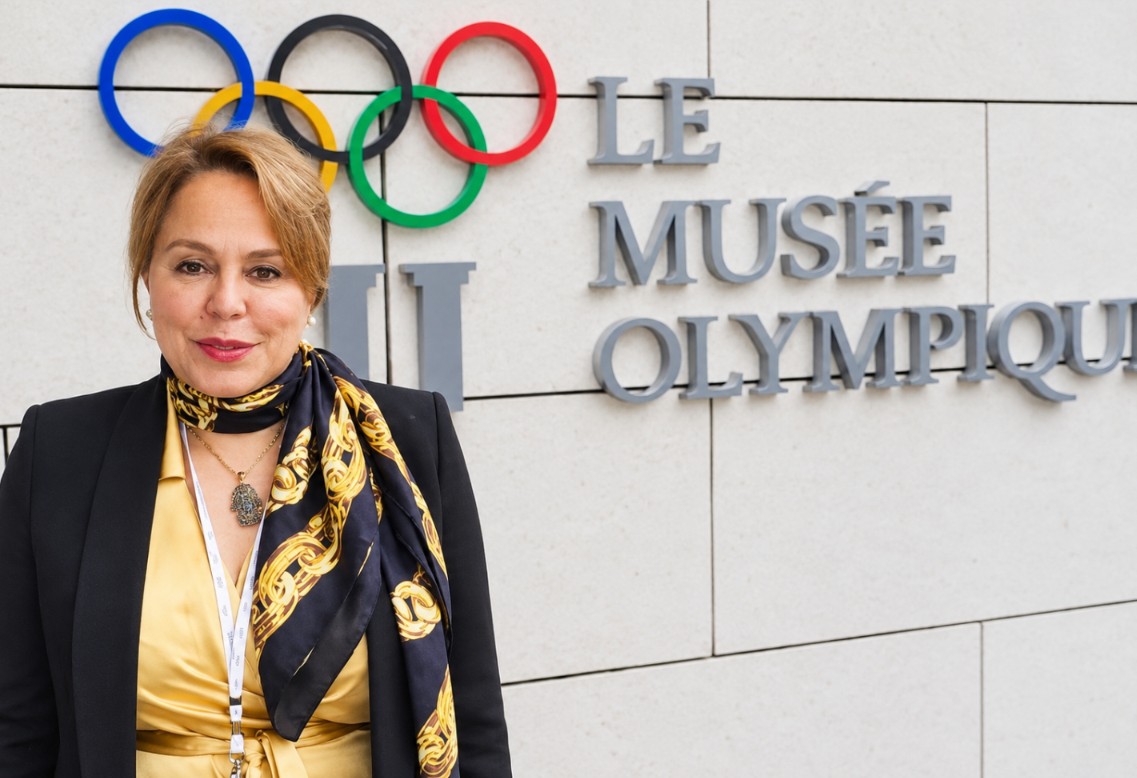
Newly Elected President of the Association of African Olympic Sports Confederations (CASOL) Bouchra Hajij Joins African Collaborations Group (ACG) Advisory Board to Advance Sport and Entertainment Districts Across Africa

African Collaborations Group (ACG) (www.ACGafrica.com), the leading strategic project origination and collaboration platform focused on the industrialisation of sport in Africa through the origination of bankable sport and entertainment district ecosystems, today announced that Bouchra Hajij, President of the Association of African Olympic Sports Confederations (CASOL), has joined its Advisory Board.

CASOL is the continental body that brings together all African confederations for Olympic summer sports. Founded in Yaoundé, Cameroon in October 2024 with the support of both the International Olympic Committee (IOC) and the Association of National Olympic Committees of Africa (ANOCA), its mandate is to represent, strengthen and grow the collective influence of African Olympic federations within the international Olympic and sport movement. CASOL coordinates strategic collaboration among African confederations, advocates for their interests with the International Olympic Committee (IOC), the Association of Summer Olympic International Federations (ASOIF), and international federations, and works to eliminate the structural barriers that prevent African athletes from qualifying for and competing at the Olympic Games. Its member confederations span every Olympic summer sport practised on the continent, including athletics, aquatics (swimming, diving, water polo), archery, badminton, basketball, boxing, canoe, cycling, equestrian, fencing, football, golf, gymnastics, handball, hockey, judo, rowing, rugby sevens, sailing, shooting, table tennis, taekwondo, tennis, triathlon, volleyball, weightlifting, and wrestling.

Hajij was elected CASOL President on 6 November 2026 at the organisation’s General Assembly in Dakar, Senegal, held during the Youth Olympic Games Dakar 2026, the first Olympic sporting event ever staged on African soil. She had previously served as Vice-President on CASOL’s founding executive board under its first President, the late Hamad Kalkaba Malboum, who passed away in May 2026. Her election places her at the apex of continental sport governance, leading the single body through which every African Olympic summer sport confederation speaks with one voice.

The significance of CASOL’s mandate for ACG’s work is direct. ACG originates sport and entertainment districts, integrated ecosystems combining 15 to 20 asset types designed to operate 365 days a year, that are built to host, train for and commercially activate the very sports CASOL’s confederations govern. The federations CASOL represents are the organisations that sanction competitions, develop athletes, and set the standards for sport infrastructure across the continent. Having the President of the body that coordinates all of them on ACG’s Advisory Board creates an institutional bridge between the platform building the infrastructure and the federations that will use it.

Beyond CASOL, Hajij brings a depth of leadership across every level of sport governance. She has served as President of the African Volleyball Confederation (CAVB) since 2020, when she became the first woman ever elected to lead an African Olympic sport confederation. Under her leadership, the CAVB relocated its headquarters from Cairo to Rabat, part of a broader shift that has positioned Morocco as a growing hub for continental sports administration. She serves as Executive Vice-President of the International Volleyball Federation (FIVB), having first been elected to the FIVB Board of Administration in 2016 as the first African woman to hold such a position. She is also President of the Royal Moroccan Volleyball Federation and sits on ANOCA’s Development and Gender Committees.

Before moving into governance, Hajij was a Moroccan international volleyball player from 1984 to 2002. She holds a Master’s in Communication and Marketing from ISCAE, a Bachelor’s in Experimental Sciences, and a Diploma in Education from Morocco’s Ministry of Youth and Sports.

“Africa has tremendous potential to transform sport into a powerful driver of economic development and employment creation,” said Bouchra Hajij. “Achieving this requires strong partnerships, innovative thinking and collaboration between sports institutions, the private sector and development stakeholders.”

“Bouchra now leads the single body through which every African Olympic summer sport confederation coordinates its voice,” said Nicolas Pompigne-Mognard (www.Pompigne-Mognard.com), Founder and Executive Chairman of ACG. “That is not a symbolic position. CASOL’s confederations govern the sports that our districts are built to host, the competitions they are designed to attract, and the athletes they are meant to develop. When ACG sits with a government to originate a sport and entertainment district, the question is always: who will fill it? The answer is the federations, the leagues, the academies, and the events that CASOL’s members oversee. Having their President on our Advisory Board is not a courtesy. It is a structural alignment between the infrastructure platform and the sport ecosystem it serves.”

The Advisory Board provides strategic guidance as ACG originates and structures large-scale sport and entertainment district projects across the continent, aligning governments, development finance institutions, investors, sport bodies and infrastructure partners to support the development of financially sustainable, mixed-use district ecosystems.

Africa’s sport economy is projected to reach $20 billion by 2035, yet the continent continues to lack the integrated district ecosystems required to support large-scale development. ACG addresses this gap by originating bankable sport and entertainment district projects, moving beyond single-venue development models towards mixed-use, revenue-generating and financially sustainable district ecosystems.

Distributed by APO Group on behalf of African Collaborations Group (ACG).

Media contact:
marie@apo-opa.com

About African Collaborations Group (ACG): 
African Collaborations Group (ACG) (www.ACGafrica.com) is the leading strategic project origination and collaboration platform focused on the industrialisation of sport in Africa through the origination of bankable sport and entertainment district ecosystems. By convening governments, private-sector partners, development finance institutions, sport and entertainment stakeholders, and academic institutions, ACG creates structured pathways that transform concepts into investable and deliverable district projects across the continent.
Media files

Download logo

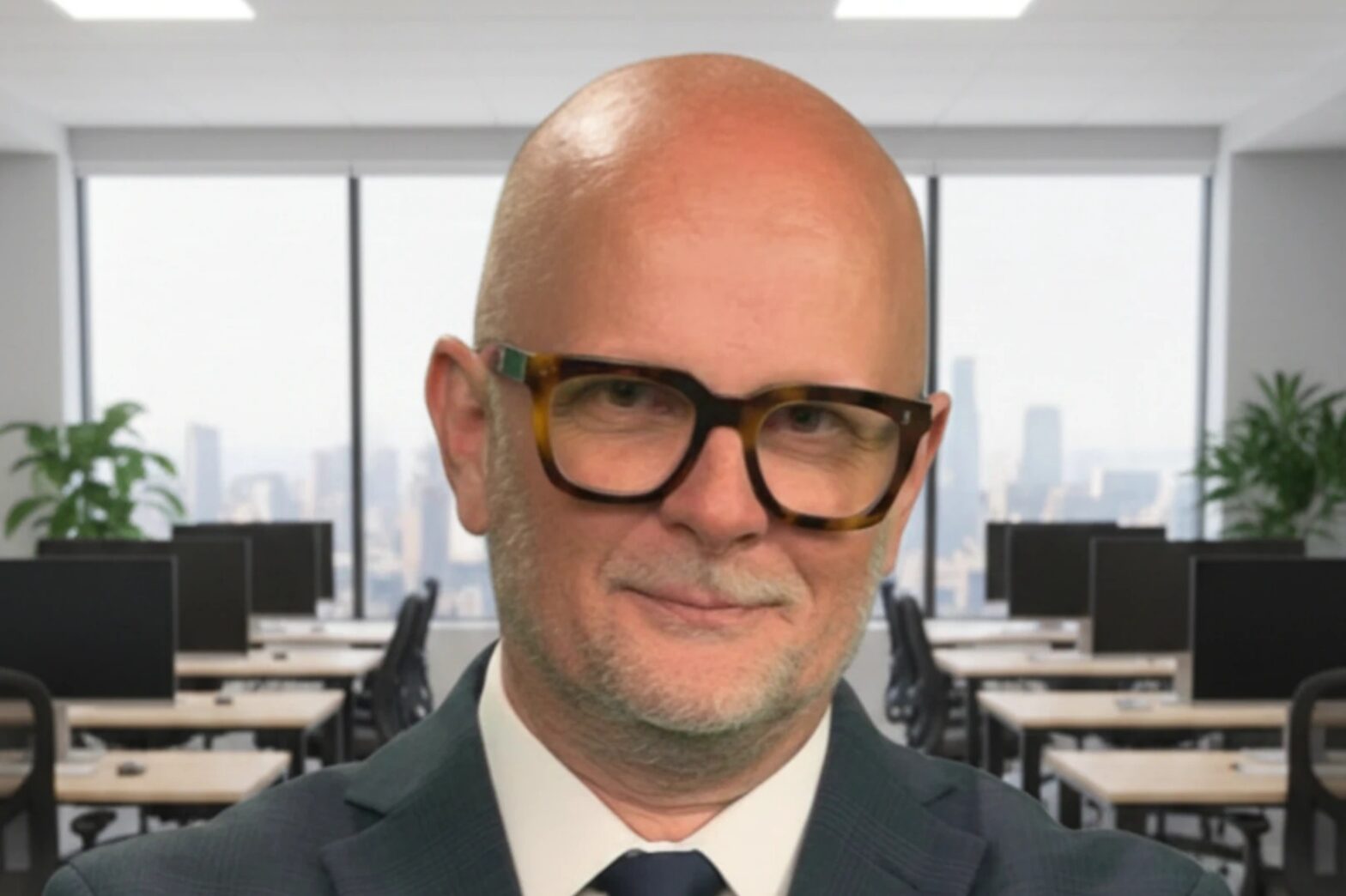
Internationally Acclaimed Sport and Geopolitical Economy Scholar Simon Chadwick Joins African Collaborations Group (ACG) Research & Impact Advisory Panel to Strengthen the Evidence Base for Sport and Entertainment Districts Across Africa

African Collaborations Group (ACG) (www.ACGafrica.com), the leading strategic project origination and collaboration platform focused on the industrialisation of sport in Africa through the origination of bankable sport and entertainment district ecosystems, today announced the appointment of Professor Simon Chadwick to its Research & Impact Advisory Panel.

Professor Chadwick is currently Professor of AfroEurasian Sport at Emlyon Business School, as well as being Programme Director for the African School of Economics’ executive education programme in Sport Business Management. He is one of the most cited voices internationally on the intersection of sport, geopolitics, and economics.

I would ask you to note the updated version of my LinkedIn profile – there may be some additional new details for you to include in your profile of me:

Professor Simon Chadwick is a researcher, writer, filmmaker, academic, consultant, advisor, and speaker whose work focuses on leading, managing and decision-making in complex environments.

Chadwick has three decades of experience working in the global sports, events, and cultural industries, particularly in an Afro-Eurasian setting (notably the MENA region, East/South Asia, sub-Saharan Africa, and Europe). He currently works as a Professor of AfroEurasian Sport and advises several clients across the world of sport.

Among his most significant roles, Chadwick served as a director of research for the organisers of FIFA’s 2022 men’s World Cup in Qatar. He has also served as a director of research for Women in Sport and has worked with UEFA for almost 20 years.

Simon has taught at several of the world’s most prestigious business schools, including Emlyon in France, IESE in Spain, Otto Beisheim in Germany, Tsinghua in China, COPPEAD in Brazil, Waseda in Japan, and UM6P in Morocco. At institutions including the University of London, Chadwick has founded and led several research centres and think tanks.

He has written numerous articles, books and research reports for the likes of Sloan Management Review, the Wall Street Journal, European Sport Management Quarterly, Thunderbird International Business Review, Mastercard, Newsweek, Reuters, Time, and the Financial Times.

The professor has also been a long-time columnist and contributor to publications including Forbes, The Economist, Arabian Gulf Business Insight, Asia and the Pacific Policy Forum, Amwaj, CityAM and Doha News.

Previously, Chadwick has worked with and advised some of the biggest names in sport, including FIFA, FC Barcelona, Adidas, the Association of Tennis Professionals, Nielsen, the European Clubs Association, Formula E, the Asian Football Confederation, Coca-Cola, Nike, PwC, and the Asian Football Confederation.

Simon makes regular media appearances and has appeared live on or provided comments to Al Jazeera, the BBC, CGTN, China Daily, Cinco Dias, CNN, Deutsche Welle, the Financial Times, Fortune, France 24, La Repubblica, NHK, the Times of India and the Wall Street Journal.

With more than twenty-five book publications to his name, The Business of the FIFA World Cup (2nd edition), The Geopolitical Economy of Esports and Sports Diplomacy: An Introduction will all be published in 2026 (both Routledge).

Chadwick maintains a Substack – Geosport – accessible via https://apo-opa.co/48XEG78

Over a career spanning three decades, Professor Chadwick has pioneered the concept of the “geopolitical economy of sport,” a framework that examines how power, politics, money, and state interests converge to shape the world of elite sport. His research analyses how mega-events such as the FIFA World Cup and the Olympic Games are increasingly used as instruments of soft power, nation branding, and industrial development, and how the balance of influence in global sport is shifting from the Global North to the Global South. This work is directly relevant to ACG’s mission: understanding the geopolitical dynamics that shape how African governments, international institutions, and global sports bodies engage with sports infrastructure is essential to originating projects that are not only financially viable but also institutionally and politically sustainable.

Professor Chadwick served as a director of research for the organisers of FIFA’s 2022 Men’s World Cup in Qatar, has worked with UEFA for almost 20 years, and has advised or consulted for organisations including FIFA, FC Barcelona, Adidas, the Association of Tennis Professionals, Nielsen, the European Clubs Association, Formula E, the Asian Football Confederation, Coca-Cola, Nike, and PwC.

He previously founded and directed the University of London’s Birkbeck Sport Business Centre and Coventry University’s Centre for the International Business of Sport. He co-founded and co-directs the China Soccer Observatory at the University of Nottingham. He has taught at several of the world’s most prestigious business schools, including emlyon in France, IESE in Spain, Otto Beisheim in Germany, Tsinghua in China, COPPEAD in Brazil, Waseda in Japan, and UM6P in Morocco.

A prolific author and editor, Professor Chadwick has published more than 25 books, including “The Geopolitical Economy of Sport: Power, Politics, Money, and the State” and “The Geopolitical Economy of Football.” His articles and commentary have appeared in the Wall Street Journal, The Economist, Forbes, Newsweek, Reuters, Time, Sloan Management Review, and the Financial Times. He makes regular appearances on Al Jazeera, BBC, CNN, CGTN, Deutsche Welle, France 24, and NHK.

Professor Chadwick’s appointment strengthens ACG’s Research & Impact Advisory Panel with a scholar who brings a unique lens to the challenge of originating sport infrastructure in Africa: the understanding that sport infrastructure is never purely an economic or engineering question. It is a geopolitical one. Who builds it, who finances it, who governs it, and who benefits from it are questions shaped by power, politics, and international relations as much as by revenue models and construction timelines.

“Professor Chadwick is one of the very few scholars in the world who understands sport as a geopolitical system, not just a commercial one,” said Nicolas Pompigne-Mognard (www.Pompigne-Mognard.com), Founder and Executive Chairman of ACG. “Originating sport and entertainment districts across Africa means navigating governments, international institutions, development finance, and global sport governing bodies simultaneously. Simon’s work on how these forces interact is directly relevant to every project in our pipeline. His presence on our Research & Impact Advisory Panel ensures that ACG’s model is informed by the deepest possible understanding of the environment in which we operate.”

Professor Chadwick joins a growing panel of internationally recognised scholars.

The Research & Impact Advisory Panel provides independent academic rigour to ACG’s co-creation process, stress-testing assumptions, strengthening the evidence base, and helping translate ambition into measurable outcomes that development finance institutions, investors, and government counterparts can rely on for institution-grade decision-making.

Africa’s sport economy is projected to reach USD 20 billion by 2035, yet the continent continues to lack the integrated district ecosystems required to support large-scale development. ACG addresses this gap by originating bankable sport and entertainment district projects, moving beyond single-venue development models towards mixed-use, revenue-generating and financially sustainable district ecosystems.

Distributed by APO Group on behalf of African Collaborations Group (ACG).

Media contact:
marie@apo-opa.com

About African Collaborations Group (ACG):
African Collaborations Group (ACG) (www.ACGafrica.com) is the leading strategic project origination and collaboration platform focused on the industrialisation of sport in Africa through the origination of bankable sport and entertainment district ecosystems. By convening governments, private-sector partners, development finance institutions, sport and entertainment stakeholders, and academic institutions, ACG creates structured pathways that transform concepts into investable and deliverable district projects across the continent.
Media files

Download logo

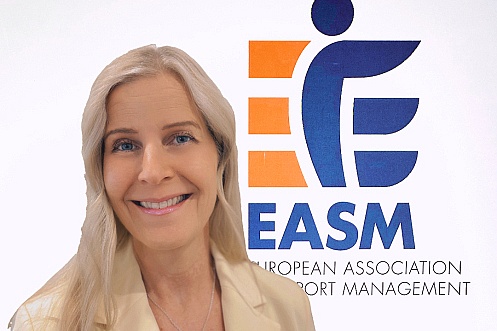
President of the European Association for Sport Management (EASM) Dr Aila Ahonen Joins African Collaborations Group (ACG) Advisory Board to Advance Sport and Entertainment Districts Across Africa

African Collaborations Group (ACG) (www.ACGafrica.com), the leading strategic project origination and collaboration platform focused on the industrialisation of sport in Africa through the origination of bankable sport and entertainment district ecosystems, today announced the appointment of Dr Aila Ahonen, President of the European Association for Sport Management (EASM), to its Advisory Board.

Dr Ahonen leads EASM, Europe’s foremost academic and professional body for sport management, which brings together academics, students, and practitioners from nearly 40 countries across every continent. Under its mission to connect academia and industry in sport management, EASM hosts an annual conference attracting over 600 delegates, publishes the European Sport Management Quarterly (ESMQ), one of the leading academic journals in the field, and runs summer schools, PhD seminars, and professional development programmes. She also serves as EASM’s representative to the World Association for Sport Management and EPAS (Enlarged Partial Agreement on Sport).

Dr Ahonen is a Principal Lecturer and Team Leader at JAMK University of Applied Sciences, School of Business, in Jyväskylä, Finland, where she leads the Sport Business programme. Her research focuses on sport entrepreneurship, sport event management, city branding through sport, and the commercialisation of sport organisations. She is co-author of the “Routledge Handbook of International Sport Business” and has published research on entrepreneurial growth in elite sport, sport city branding, and the impact of COVID-19 on the sport industry.

A Fulbright scholar (ASLA-Fulbright Mid-Career Professional Development Grant, University of Florida, 2019), Dr Ahonen brings a distinctly applied and international perspective to sport management. She serves on the editorial boards of Managing Sport and Leisure and Frontiers in Sport and Active Living, and is a member of the Finnish Sports Ethical Affairs Advisory Board. She holds degrees from Coventry University Business School (United Kingdom), Jyväskylä University (Finland), LUT University (Finland) and has completed Pedagogical Studies for Adult Education at Jyväskylä University.

Her appointment to the ACG Advisory Board is strategically significant. EASM’s explicit mission to connect academia and industry in sport management is directly aligned with what ACG is building. ACG’s projects require applied research, knowledge exchange, and collaboration between academic institutions and the sport infrastructure industry. Dr Ahonen’s presidency of EASM gives ACG an institutional bridge to the entire European sport management academic community: researchers, programmes, and institutions across nearly 40 countries that can contribute to the evidence base, feasibility analysis, and impact measurement that Victory District™ projects require.

Her expertise in sport entrepreneurship and the commercialisation of sport organisations is also directly relevant. Every Victory District™ must function as a commercially sustainable enterprise, not a publicly subsidised facility. Dr Ahonen’s research on how sport organisations achieve entrepreneurial growth and financial sustainability in Nordic and European markets provides a framework that ACG can adapt to the African context.

“Dr Ahonen brings to our Advisory Board something that no individual scholar can: an institutional role at the head of Europe’s leading sport management body,” said Nicolas Pompigne-Mognard (www.Pompigne-Mognard.com), Founder and Executive Chairman of ACG. “EASM’s mission is to connect academia and industry in sport management. ACG’s mission is to industrialise sport in Africa through bankable infrastructure. Those two missions are natural partners. Aila’s presence on our Advisory Board strengthens that connection and gives ACG access to a network of researchers and practitioners across nearly 40 countries who can contribute to the rigour and credibility of our projects.”

The Advisory Board provides strategic guidance as ACG originates and structures large-scale sport and entertainment district projects across the continent, aligning governments, development finance institutions (DFIs), investors, sport bodies and infrastructure partners to support the development of financially sustainable, mixed-use district ecosystems.

Africa’s sport economy is projected to reach USD 20 billion by 2035, yet the continent continues to lack the integrated district ecosystems required to support large-scale development. ACG addresses this gap by originating bankable sport and entertainment district projects, moving beyond single-venue development models towards mixed-use, revenue-generating and financially sustainable district ecosystems.

Through its collaborative model, ACG convenes governments, PPP authorities and regulators, development finance institutions, private investors, developers, designers and engineers, legal and transaction advisors, operators, sport federations and leagues, event promoters, media and broadcast partners, academic institutions and host communities, creating structured pathways from concept to feasibility, bankability and delivery.

Distributed by APO Group on behalf of African Collaborations Group (ACG).

Media contact:
marie@apo-opa.com 

About African Collaborations Group (ACG):
African Collaborations Group (ACG) (www.ACGafrica.com) is the leading strategic project origination and collaboration platform focused on the industrialisation of sport in Africa through the origination of bankable sport and entertainment district ecosystems. By convening governments, private-sector partners, development finance institutions, sport and entertainment stakeholders, and academic institutions, ACG creates structured pathways that transform concepts into investable and deliverable district projects across the continent.
Media files

Download logo

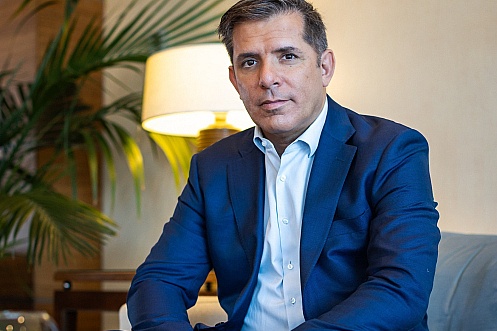
“The Industrialisation of Sport in Africa Cannot Happen Without Infrastructure Designed to Generate Revenue 365 Days a Year” — ACG CEO Paulo J. Cruz on Africa.com

African Collaborations Group (ACG) (www.ACGafrica.com), the leading strategic project origination and collaboration platform focused on the industrialisation of sport in Africa through the origination of bankable sport and entertainment district ecosystems, today announced the publication of an in-depth interview with its CEO, Paulo J. Cruz, on Africa.com, one of the continent’s leading digital news and information platforms.

Read the full interview: https://apo-opa.co/4jaK4ty

In the interview, Cruz draws on 28 years of infrastructure origination experience across Africa, the Middle East, and Europe, most recently as Senior Vice President at DAMAC Group, to set out why Africa’s sport economy cannot grow without a fundamentally different infrastructure model.

“Africa has invested billions in standalone, football-only stadiums that on average are used fewer than 25 days a year,” Cruz told Africa.com. “They drain public budgets instead of generating revenue. That model has failed.”

Cruz describes the alternative: integrated sport and entertainment districts combining 15 to 20 asset types within a single masterplanned development, designed to generate diversified revenue 365 days a year. “When there is no conference, there is a concert. When the stadium is quiet, the hotels, training academies, restaurants, and commercial tenants are operating. Revenue flows every day from multiple sources. That diversification is what makes the model financially self-sustaining.”

The interview addresses the structural gap that has prevented sport infrastructure projects from reaching financial close in Africa. “A financial institution finances projects; it does not originate them,” Cruz explains. “A government sets the mandate and provides the enabling environment; it does not typically have the technical capacity to structure a bankable project. Everyone is waiting for a project to arrive in a form they can work with. The origination layer has been missing.”

On the social and economic impact, Cruz is direct: “The permanent jobs come from operations: hotel staff, restaurant workers, retail employees, facility managers, event coordinators, sports coaches, physiotherapists, broadcast technicians, media producers, conference organisers, and commercial office tenants who employ their own teams. These are not temporary construction jobs. They are permanent positions in a permanent urban economy.”

Cruz also addresses the risks: “The challenges are real. PPP frameworks vary significantly across African jurisdictions, and land tenure can be complex. Currency risk, political risk, and regulatory uncertainty all affect investor appetite. These are not reasons not to proceed; they are reasons why the origination process must be rigorous. A feasibility study that does not address these risks honestly is not worth the paper it is written on.”

The interview concludes with Cruz’s vision for what success looks like: “If, in ten years, an African city has a district where a young person can train as an athlete in the morning, have lunch at a restaurant, study in the afternoon, attend a world-class concert in the evening and walk into a nightclub afterwards, all within the same district, and that district is paying for itself, then the model has worked.”

In 2022, Nicolas Pompigne-Mognard was appointed to the FIFA Task Force for Infrastructure Development in Africa and mandated by FIFA President Gianni Infantino to develop a new model for sport infrastructure on the continent. He founded African Collaborations Group (ACG) to deliver it. Its CEO, Paulo J. Cruz, brings 28 years of infrastructure origination experience across Africa, the Middle East, and Europe, most recently as Senior Vice President at DAMAC Group (USD 9.8 billion in sales in 2025). Its 28-member Advisory Board includes former FIFA Secretary General Fatma Samoura, former World Bank Executive Director Paulo Gomes, the Co-Founder of the World Football Summit Jan Alessie, the President of Rugby Africa and Executive Board Member of World Rugby Herbert Mensah, and leaders from across global sport governance, international finance, infrastructure, media, broadcasting, and entertainment.

Distributed by APO Group on behalf of African Collaborations Group (ACG).

Media contact:
marie@apo-opa.com

About African Collaborations Group (ACG):
African Collaborations Group (ACG) (www.ACGafrica.com) is the leading strategic project origination and collaboration platform focused on the industrialisation of sport in Africa through the origination of bankable sport and entertainment district ecosystems. By convening governments, private-sector partners, development finance institutions, sport and entertainment stakeholders, and academic institutions, ACG creates structured pathways that transform concepts into investable and deliverable district projects across the continent.
Media files

Download logo

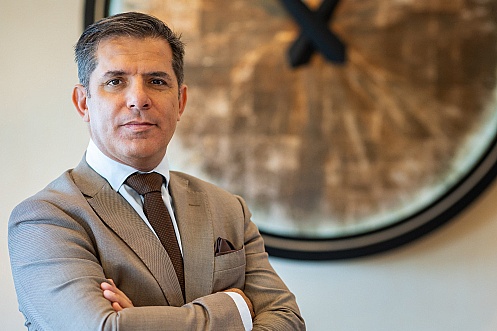
ACG CEO Paulo J. Cruz to Speak at the Leadership Summit 2026 in Luanda on How Sport and Entertainment Districts Can Accelerate Africa’s Productive Economy

African Collaborations Group (ACG) (www.ACGafrica.com), the leading strategic project origination and collaboration platform focused on the industrialisation of sport in Africa through the origination of bankable sport and entertainment district ecosystems, today announced that its Founding CEO, Paulo J. Cruz, will speak at the 2nd Edition of the Leadership Summit 2026 (Cimeira de Liderança 2026) in Luanda, Angola, on 19 November 2026.

Mr Cruz will participate in Panel 3, “Productivity and Productive Economy,” alongside CEOs from Angola’s telecoms, energy, data infrastructure, and technology sectors, including the leaders of TVCABO Angola, Raxio Data Centres, Angola Cables, TIS, and EWT – Energy Water Telecom. The panel will be moderated by Kussi Bernardo, CEO of Multitel.

The Leadership Summit, held under the theme “Leadership that Generates Results: Strategy, Execution and Value,” convenes Presidents of Boards of Directors, CEOs, CFOs, and senior executives from Angola’s most strategic sectors, including oil and gas, mining, banking, telecoms, energy, industry, and agriculture. The event takes place at the Palmeiras Suite Hotel in Talatona, Luanda.

Mr Cruz will address how ACG’s origination of integrated sport and entertainment districts across Africa contributes directly to the transformation of the productive economy. His intervention will focus on how sport infrastructure, when conceived as a financially self-sustaining urban ecosystem rather than a standalone stadium, becomes a catalyst for job creation, tourism, diversified revenue generation, and long-term economic development.

“Sport infrastructure is not a social cost. It is a productive asset,” said Paulo J. Cruz, Founding CEO of ACG. “A Victory District™ generates revenue from 15 to 20 different asset types, creates thousands of permanent jobs, and operates 365 days a year. That is not a stadium. That is a contribution to the productive economy. I am honoured to share that vision alongside some of Angola’s most influential business leaders.”

ACG’s Victory District™ framework is designed to originate integrated, mixed-use sport and entertainment districts that move beyond single-venue development models. Each district combines stadiums, indoor arenas, training academies, hotels, conference centres, retail, entertainment, residential, and commercial space within a single masterplanned development, financed by private and institutional capital without reliance on public subsidy.

Mr Cruz brings more than 25 years of experience across Africa, the Middle East, and Europe in originating, structuring, and delivering large-scale infrastructure, urbanisation, and real estate development initiatives. Prior to ACG, he served as Senior Vice President at DAMAC Group, the largest private real estate developer in the Middle East, and as Group CEO of LandAfrique, a pan-African development platform focused on industrial parks, infrastructure, housing, and power projects across Sub-Saharan Africa.

The Leadership Summit 2026 is an initiative of Clube De Valor™, focused on leadership, strategy, execution, and value creation across Angola’s business landscape.

Distributed by APO Group on behalf of African Collaborations Group (ACG).

Media contact:
marie@apo-opa.com

About African Collaborations Group (ACG): 
​African Collaborations Group (ACG) (www.ACGafrica.com) is the leading strategic project origination and collaboration platform focused on the industrialisation of sport in Africa through the origination of bankable sport and entertainment district ecosystems. By convening governments, private-sector partners, development finance institutions, sport and entertainment stakeholders, and academic institutions, ACG creates structured pathways that transform concepts into investable and deliverable district projects across the continent.
Media files

Download logo

Landmark World Bank, IOC, and AFD Report Confirms the Case for Integrated Sport and Entertainment Infrastructure in Africa

African Collaborations Group (ACG) (www.ACGafrica.com), the leading strategic project origination and collaboration platform focused on the industrialisation of sport in Africa through the origination of bankable sport and entertainment district ecosystems, today welcomed the publication of “Unlocking the Potential of Sport in Africa,” a landmark 356-page report published jointly by the World Bank, the International Olympic Committee (IOC), and the Agence Française de Développement (AFD), with contributions from the International Finance Corporation (IFC), the Development Bank of Southern Africa (DBSA), and Laureus Sport for Good.

Read the full report: https://apo-opa.co/4k4Fluu

The report, co-introduced by Makhtar Diop, Managing Director of the International Finance Corporation, and Christophe Lecourtier, Director General of the AFD, represents the most comprehensive analysis ever produced on the economics of sport in Africa. It draws on original survey data from nine African countries, a mapping of sport policies across nearly twenty governments, and a systematic review of the academic evidence on the impact of sport on development.

ACG welcomes the report because its central findings and recommendations validate the model ACG was founded to deliver.

The report confirms that Africa’s sport economy represents less than 1% of the continent’s GDP, compared with approximately 2.5% in Europe, representing a significant and largely untapped opportunity for growth. It identifies the lack of integrated infrastructure as one of the primary barriers to unlocking that potential.

On stadium infrastructure, the report warns explicitly against the risk of “significant underutilisation” of stadiums built for major events, stating that jobs created by major sporting events are “generally temporary, linked to the construction of infrastructure,” and that economic returns are “very localised, unevenly distributed across populations, and not durable in terms of employment, skills development, or infrastructure use.”

The report’s recommendations call for exactly the model ACG is building:

• Developing legacy strategies from the preparatory phase, including impact and legacy plans before construction begins, clarifying governance of infrastructure after the event, and using sport infrastructure as a lever for employability, entrepreneurship, and training.

• Connecting sport, tourism, transport, hospitality, media, security, and local entertainment to transform temporary visitor flows into lasting economic benefits.

• Developing public-private partnerships where the public sector provides the land, the institutional framework, and accessibility objectives, while the private sector contributes expertise in construction, management, programming, and maintenance.

• Promoting local SMEs and structuring a sport value chain close to local demand, retaining in Africa a greater share of the value created by sport.

• Investing in training for sport-adjacent professions: infrastructure management, maintenance, events, security, audiovisual, marketing, and sports animation.

Every one of these recommendations describes a dimension of ACG’s Victory District™ model: integrated, mixed-use sport and entertainment districts combining 15 to 20 asset types, from stadiums and arenas to hotels, conference centres, training academies, retail, entertainment, cinemas, restaurants, residential, commercial offices, schools, and media production facilities, designed to generate revenue 365 days a year. ACG invests at the pre-development stage, creating the conditions for institutional and private investors to finance projects that are bankable and financially sustainable.

“The World Bank, the IOC, and the AFD have now published what amounts to the evidence base for exactly what ACG is building,” said Nicolas Pompigne-Mognard (www.Pompigne-Mognard.com), Founder and Executive Chairman of ACG. “The report confirms that standalone stadiums built for a tournament and abandoned after the final whistle do not deliver lasting economic impact. It calls for integrated infrastructure, public-private partnerships, legacy planning from day one, local SME development, and diversified revenue streams.”

ACG’s CEO, Paulo J. Cruz, who joined from DAMAC Group, the Middle East’s largest private real estate developer, added: “This report provides the institutional validation that every government and every development finance institution we engage with has been waiting for. The question is no longer whether integrated sport infrastructure is the right model for Africa. The World Bank, the IOC, and the AFD have answered that question. The question is who is going to build it. ACG is already at the table.”

In 2022, Nicolas Pompigne-Mognard was appointed to the FIFA Task Force for Infrastructure Development in Africa and mandated by FIFA President Gianni Infantino to develop a new model for sport infrastructure on the continent. He founded African Collaborations Group (ACG) to deliver it. Its CEO, Paulo J. Cruz, brings 28 years of infrastructure origination experience across Africa, the Middle East, and Europe, most recently as Senior Vice President at DAMAC Group (USD 9.8 billion in sales in 2025). Its 28-member Advisory Board includes former FIFA Secretary General Fatma Samoura, former World Bank Executive Director Paulo Gomes, the Co-Founder of the World Football Summit Jan Alessie, the President of Rugby Africa and Executive Board Member of World Rugby Herbert Mensah, and leaders from across global sport governance, international finance, infrastructure, media, broadcasting, and entertainment.

Distributed by APO Group on behalf of African Collaborations Group (ACG).

Media contact:
marie@apo-opa.com

About African Collaborations Group (ACG):
African Collaborations Group (ACG) (www.ACGafrica.com) is the leading strategic project origination and collaboration platform focused on the industrialisation of sport in Africa through the origination of bankable sport and entertainment district ecosystems. By convening governments, private-sector partners, development finance institutions, sport and entertainment stakeholders, and academic institutions, ACG creates structured pathways that transform concepts into investable and deliverable district projects across the continent.
Media files

Download logo

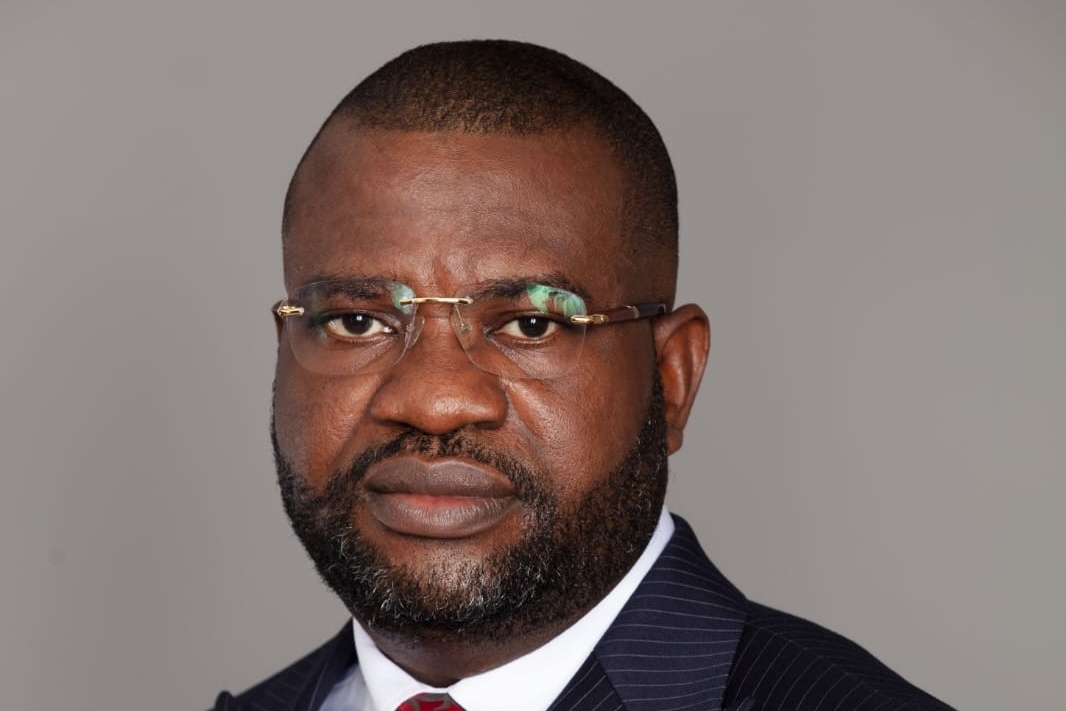
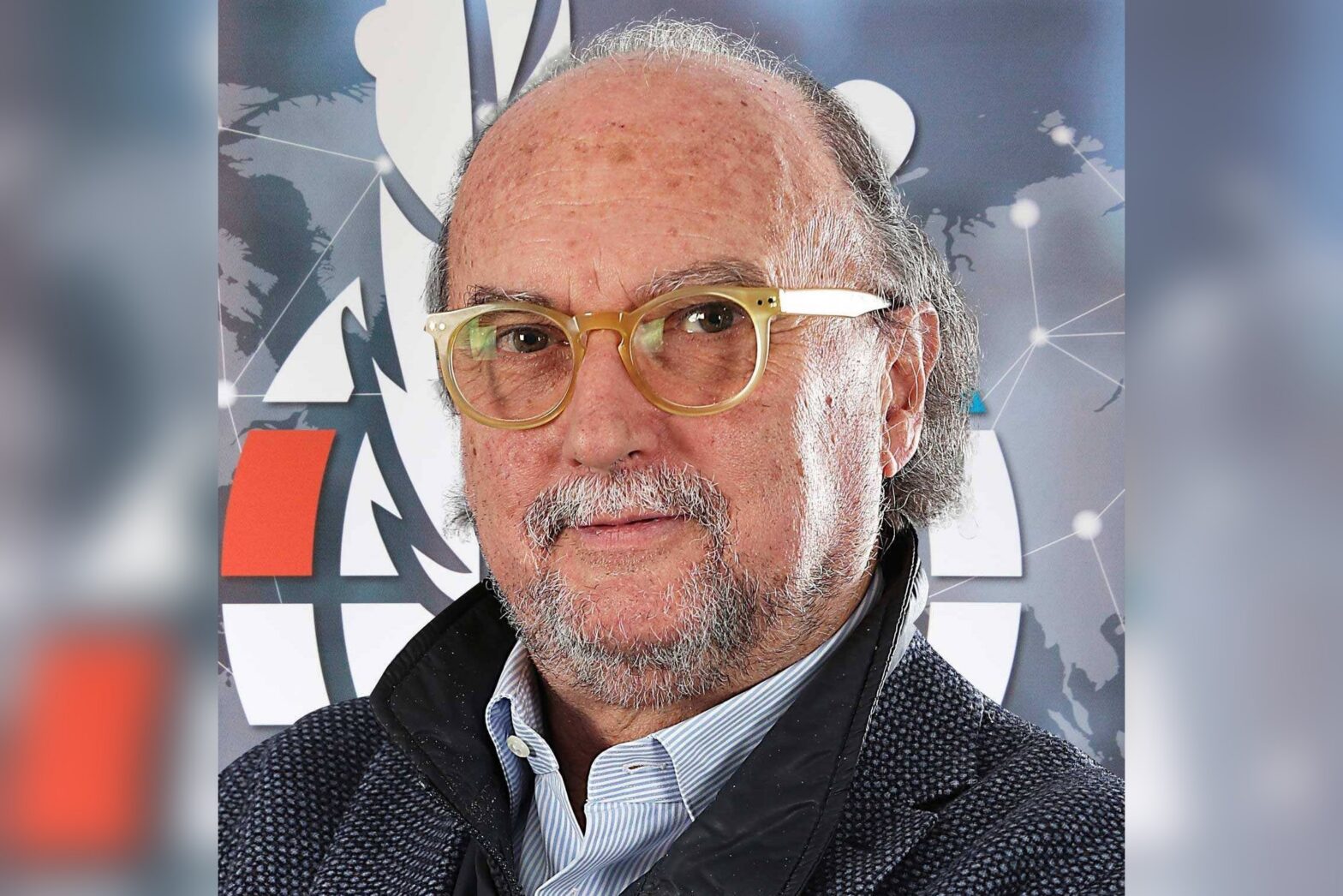
All Africa Music Awards (AFRIMA) Founder Mike Dada Joins African Collaborations Group (ACG) Advisory Board to Advance Sport and Entertainment Districts Across Africa

African Collaborations Group (ACG) (www.ACGafrica.com), the leading strategic project origination and collaboration platform focused on the industrialisation of sport in Africa through the origination of bankable sport and entertainment district ecosystems, today announced the appointment of Mike Dada to its Advisory Board.

Mr Dada is President and Founder of the All Africa Music Awards (AFRIMA), the continent’s flagship music awards platform, established in 2014 in partnership with the African Union Commission (AUC) to celebrate, reward and promote African music globally in pursuit of continental integration, economic prosperity and cultural diplomacy. AFRIMA is broadcast live in more than 84 countries around the world, convenes artists, delegates and production teams from every region of Africa, and has become one of the most important continental infrastructures for the African music industry.

Alongside AFRIMA, Mr Dada serves as Vice President of the African Union’s Pan-African Congress, in which capacity he led the development of the AU’s Plan of Action on Culture and Creative Industries — a landmark continental policy document adopted by the African Union Heads of State Summit in 2023 as the framework guiding the industrialisation of Africa’s cultural and creative economy. He is also a member of the Africa Policy Advisory Board (APAB) for the ONE Campaign, contributing to global policy engagement on African development priorities.

His appointment to the ACG Advisory Board consolidates the platform’s foundational commitment to treating sport and entertainment as an integrated ecosystem from the outset. Where AFRIMA has built the continental infrastructure through which African music reaches a global audience, and where the AU Plan of Action on Culture and Creative Industries provides the policy framework for the industrialisation of Africa’s creative economy at Heads of State level, ACG is originating the physical and financial ecosystems — the sport and entertainment districts — in which that creative economy can be produced, staged, monetised and experienced at continental scale. Mr Dada’s presence on the Advisory Board ensures that ACG’s work is aligned with the continent’s highest institutional frameworks for cultural and creative industry development, and connected to the pan-African music industry network that AFRIMA has convened over more than a decade.

His appointment brings to the ACG Advisory Board a rare combination of continental cultural leadership, institutional and policy positioning at the highest level of African Union governance, deep pan-African industry relationships across the music and creative economy sectors, and the professional expertise of a lawyer and creative economy specialist — capabilities directly relevant to originating and structuring large-scale sport and entertainment district projects across the African continent.

“Mike Dada brings to our Advisory Board a rare combination of continental cultural infrastructure leadership and Heads of State-level policy positioning. Through AFRIMA, he has built one of the most important continental cultural infrastructures Africa has, and through his leadership at the AU Pan-African Congress, he has shaped the very policy framework that guides the industrialisation of Africa’s creative economy at Heads of State level. That combination — commercial infrastructure and continental policy leadership — is exactly what ACG needs as we originate bankable sport and entertainment district ecosystems across the African continent, projects that must be aligned with the continent’s highest institutional cultural agendas and connected to the industry networks that will bring them to life. His presence on our Advisory Board is a genuine strategic asset,” said Nicolas Pompigne-Mognard (www.Pompigne-Mognard.com), Founder and Executive Chairman of ACG.

The ACG Advisory Board provides strategic guidance as ACG originates and structures large-scale sport and entertainment district projects across the continent, aligning governments, development finance institutions (DFIs), investors, sport bodies and infrastructure partners to support the development of financially sustainable, mixed-use district ecosystems.

Africa’s sport economy is projected to reach $20 billion by 2035, yet the continent continues to lack the integrated district ecosystems required to support large-scale development. ACG addresses this gap by originating bankable sport and entertainment district projects, moving beyond single-venue development models towards mixed-use, revenue-generating and financially sustainable district ecosystems.

Through its collaborative model, ACG convenes governments, PPP authorities and regulators, development finance institutions, private investors, developers, designers and engineers, legal and transaction advisors, operators, sport federations and leagues, event promoters, media and broadcast partners, academic institutions and host communities, creating structured pathways from concept to feasibility, bankability and delivery.

Distributed by APO Group on behalf of African Collaborations Group (ACG).

Media contact:
marie@apo-opa.com

About African Collaborations Group (ACG):
​
African Collaborations Group (ACG) (www.ACGafrica.com) is the leading strategic project origination and collaboration platform focused on the industrialisation of sport in Africa through the origination of bankable sport and entertainment district ecosystems. By convening governments, private-sector partners, development finance institutions, sport and entertainment stakeholders, and academic institutions, ACG creates structured pathways that transform concepts into investable and deliverable district projects across the continent.
Media files

Download logo

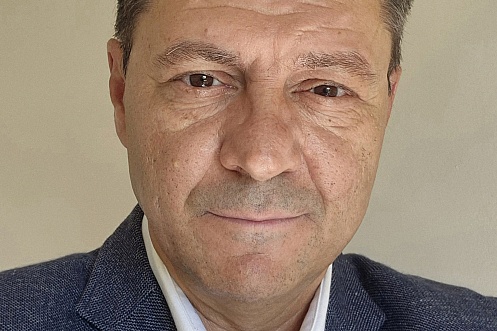
International Sports Press Association (AIPS) President Gianni Merlo Joins African Collaborations Group (ACG) Advisory Board to Advance Sport and Entertainment Districts Across Africa

African Collaborations Group (ACG) (www.ACGafrica.com), the leading strategic project origination and collaboration platform focused on the industrialisation of sport in Africa through the origination of bankable sport and entertainment district ecosystems, today announced the appointment of Gianni Merlo to its Advisory Board.

Mr Merlo is President of the International Sports Press Association (AIPS), the global federation of sports journalists, founded in Paris in 1924 and headquartered in the Olympic capital of Lausanne, Switzerland. AIPS brings together 160+ national sports journalists’ associations representing more than 9,000 accredited sports journalists worldwide, and is the reference body for professional standards, credentialing and advocacy in international sports media.

First elected President of AIPS in 2005 and re-elected for a sixth and final term in April 2026 with 76.85% of the vote at the AIPS Congress in Lausanne, Mr Merlo is widely regarded as the dean of international sports journalism. He is a senior journalist at Italy’s La Gazzetta dello Sport, one of the world’s most respected sports newspapers, and has covered 14 Winter Olympic Games and 13 Summer Olympic Games, together with more than 35 World Championships and European Championships across athletics, skiing and other disciplines.

He also serves as a member of the International Olympic Committee (IOC) Press Commission, positioning him at the heart of global decision-making on Olympic media policy, event accreditation frameworks, and the standards that govern how the world’s largest sport events are covered by the international press. His previous roles include the presidency of the European Sports Press Union (UEPS) from 1994 to 1998.

His appointment to the ACG Advisory Board brings to the platform the global credibility and professional legitimacy of the world’s pre-eminent sports media federation. Sport and entertainment districts at the scale ACG is originating must be conceived not only as physical, financial and commercial ecosystems, but as events and experiences that international sport journalism will engage with, credential and cover on the world’s largest stages. Mr Merlo’s appointment ensures that ACG’s district projects are aligned from the outset with the professional standards, accreditation frameworks and media relationships that define how major international sport is reported, and that they benefit from access to the pan-continental journalism network AIPS convenes.

His appointment brings to the ACG Advisory Board unmatched authority in international sports journalism, deep relationships across the global sports media, national press associations and international federations, and a career-long perspective on how major sport events are reported and remembered — capabilities directly relevant to originating and structuring large-scale sport and entertainment district projects across the African continent.

“Gianni Merlo is one of the most respected figures in international sports journalism, and his leadership of AIPS has shaped how the world’s sports media has covered the last two decades of major international events. His presence on our Advisory Board brings to ACG a global media credibility and journalistic network that is genuinely irreplaceable. Sport and entertainment districts do not exist only in stone and steel; they exist in the accounts written and images captured by sports journalists across the world. His presence ensures that ACG originates projects that engage with this international storytelling from the outset,” said Nicolas Pompigne-Mognard (www.Pompigne-Mognard.com), Founder and Executive Chairman of ACG.

The ACG Advisory Board provides strategic guidance as ACG originates and structures large-scale sport and entertainment district projects across the continent, aligning governments, development finance institutions (DFIs), investors, sport bodies and infrastructure partners to support the development of financially sustainable, mixed-use district ecosystems.

Africa’s sport economy is projected to reach $20 billion by 2035, yet the continent continues to lack the integrated district ecosystems required to support large-scale development. ACG addresses this gap by originating bankable sport and entertainment district projects, moving beyond single-venue development models towards mixed-use, revenue-generating and financially sustainable district ecosystems.

Through its collaborative model, ACG convenes governments, PPP authorities and regulators, development finance institutions, private investors, developers, designers and engineers, legal and transaction advisors, operators, sport federations and leagues, event promoters, media and broadcast partners, academic institutions and host communities, creating structured pathways from concept to feasibility, bankability and delivery.

Distributed by APO Group on behalf of African Collaborations Group (ACG).

Media contact:
marie@apo-opa.com

About African Collaborations Group (ACG):
African Collaborations Group (ACG) (www.ACGafrica.com) is the leading strategic project origination and collaboration platform focused on the industrialisation of sport in Africa through the origination of bankable sport and entertainment district ecosystems. By convening governments, private-sector partners, development finance institutions, sport and entertainment stakeholders, and academic institutions, ACG creates structured pathways that transform concepts into investable and deliverable district projects across the continent.
Media files

Download logo

Former Euronews Head of Service and Olympic Broadcasting Services Consultant João Peseiro Monteiro Joins African Collaborations Group (ACG) Advisory Board to Advance Sport and Entertainment Districts Across Africa

African Collaborations Group (ACG) (www.ACGafrica.com), the leading strategic project origination and collaboration platform focused on the industrialisation of sport in Africa through the origination of bankable sport and entertainment district ecosystems, today announced the appointment of João Peseiro Monteiro to its Advisory Board.

Mr Peseiro Monteiro is a leading broadcast and media sports events consultant who has contributed to the production and broadcast operations of major global sport events including the FIFA World Cup, the UEFA Euro and the CAF AFCON, as well as successive editions of the Olympic Games.

In this current role with GL events Japan K.K., Mr Peseiro Monteiro is overseeing media operations across the AIA and CGC venues, supporting international press coverage for Judo, Basketball, Wheelchair Basketball, and Race Walk events across both Games.

Prior to his current consulting work, Mr Peseiro Monteiro spent nearly a quarter of a century at Euronews, one of Europe’s leading international news networks, where he held a succession of senior editorial and production roles including journalist, producer, news editor, Head of the Portuguese Service, and Deputy Editor-in-Chief. In these positions, he shaped how European audiences experienced global events across languages and markets, and delivered the production and broadcast of continuous, multilingual news and sport coverage at a continental scale.

A native Portuguese speaker fluent in English, French and Spanish, Mr Peseiro Monteiro brings to his work a genuinely pan-European and cross-language perspective on the media coverage of major sport and entertainment properties, combined with the production discipline of an Olympic broadcast operator.

His appointment to the ACG Advisory Board brings to the platform the specialised expertise of a seasoned international sports broadcaster, deeply familiar with the production, distribution and multilingual delivery of major sport events to European and global audiences. The sport and entertainment districts ACG is originating depend not only on continental broadcast reach but on the quality of the international media coverage that carries their events, brands and stories to the world’s largest sport consumption markets. Mr Peseiro Monteiro’s appointment ensures that ACG can originate district projects with this international broadcast and media dimension built in from the outset.

His appointment brings to the ACG Advisory Board a rare combination of senior editorial leadership in European broadcasting, operational experience of the world’s largest sport broadcast operations, and multilingual pan-European and Lusophone media reach — capabilities directly relevant to originating and structuring large-scale sport and entertainment district projects across the African continent.

“João Peseiro Monteiro brings to our Advisory Board a specific and highly valuable capability: the international broadcast and media dimension of major sport and entertainment properties. His years at Euronews and his current work with Olympic Broadcasting Services give him a perspective on how sport events are produced, distributed and told to global audiences that few in the industry share. His presence on our Advisory Board strengthens ACG’s ability to originate district projects that speak fluently to international media markets from the outset,” said Nicolas Pompigne-Mognard (www.Pompigne-Mognard.com), Founder and Executive Chairman of ACG.

The ACG Advisory Board provides strategic guidance as ACG originates and structures large-scale sport and entertainment district projects across the continent, aligning governments, development finance institutions (DFIs), investors, sport bodies and infrastructure partners to support the development of financially sustainable, mixed-use district ecosystems.

Africa’s sport economy is projected to reach $20 billion by 2035, yet the continent continues to lack the integrated district ecosystems required to support large-scale development. ACG addresses this gap by originating bankable sport and entertainment district projects, moving beyond single-venue development models towards mixed-use, revenue-generating and financially sustainable district ecosystems.

Through its collaborative model, ACG convenes governments, PPP authorities and regulators, development finance institutions, private investors, developers, designers and engineers, legal and transaction advisors, operators, sport federations and leagues, event promoters, media and broadcast partners, academic institutions and host communities, creating structured pathways from concept to feasibility, bankability and delivery.

Distributed by APO Group on behalf of African Collaborations Group (ACG).

Media contact:
marie@apo-opa.com

About African Collaborations Group (ACG):
African Collaborations Group (ACG) (www.ACGafrica.com) is the leading strategic project origination and collaboration platform focused on the industrialisation of sport in Africa through the origination of bankable sport and entertainment district ecosystems. By convening governments, private-sector partners, development finance institutions, sport and entertainment stakeholders, and academic institutions, ACG creates structured pathways that transform concepts into investable and deliverable district projects across the continent.

Media files

Download logo